blog-post.jpg

June 30, 2023 Uncategorized0


Extreme Weather Conditions? No Need to Travel to Hospitals with Pyramed Telemedicine!

Introduction:
Extreme weather conditions can pose numerous challenges, making it difficult for individuals to access essential healthcare services. Storms, heavy snowfall, floods, or even scorching heatwaves can hinder travel and restrict the availability of medical facilities. However, with the revolutionary concept of PyraMed telemedicine, you no longer need to worry about braving dangerous weather conditions to visit a hospital. PyraMed telemedicine enables patients to connect with specialist doctors by visiting their nearest general practitioners / family doctor . PyraMed telemedicine is transforming healthcare accessibility during extreme weather conditions.


For more information : OPD footfall, surgery numbers dip in Kol – https://ethealthworld.com/s/vrd5zpc OPD footfall, surgery numbers dip in Kol https://ethealthworld.com/s/kh4hm99 via @ETHealthWorld Pyramed offers an effective alternative to OPD visits during extreme weather conditions. https://bit.ly/forpatient


A recent retrospective study in Italy has shown that obesity and hyperinsulinemia in children and adolescents have been responsible for a lower testicular volume and thus male infertility.

Click here for the  full article:  obesity-testicular volume

Pyramed helps primary doctors anywhere in India to connect to the best adult and pediatric specialists in the country and treat their patients well in time with minimal expense


ban-drugs-blog-post-.png

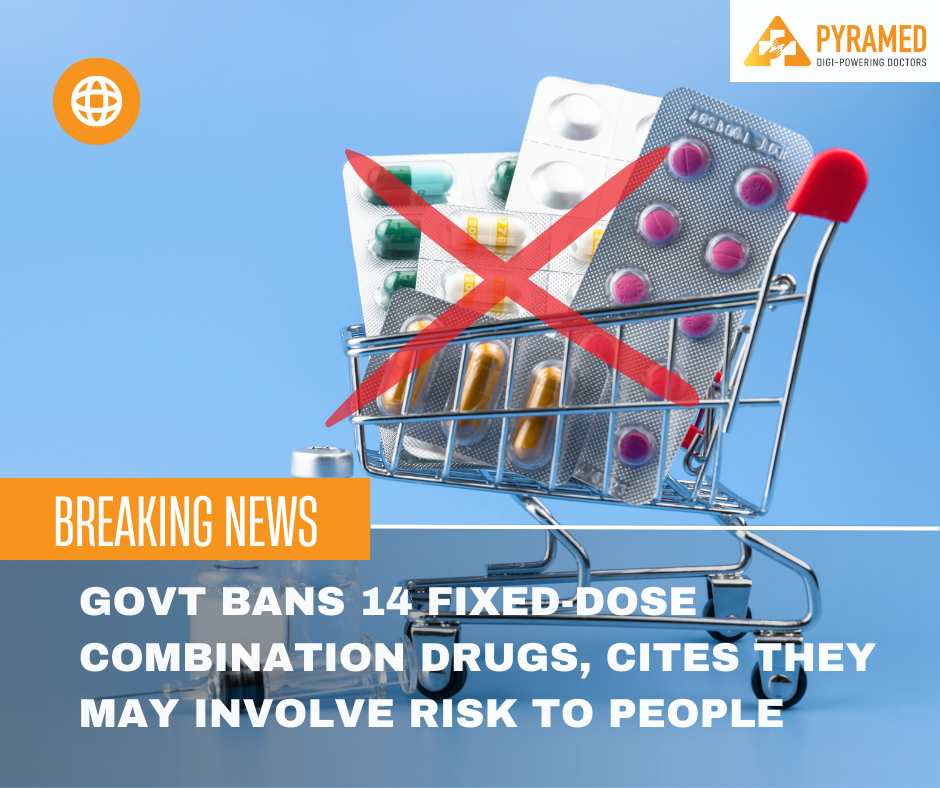
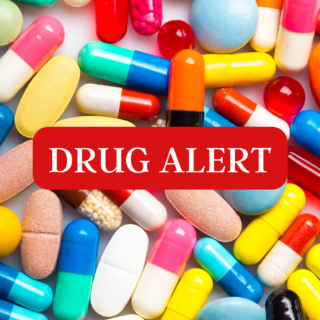
 In a recent move, the government has taken a decisive step to ban 14 fixed-dose combination drugs, including the widely used medication Nimesulide. Citing potential risks to public health, regulatory authorities have undertaken a comprehensive evaluation of these drug combinations. Nimesulide, known for its effectiveness in pain relief and reducing inflammation, has faced concerns regarding its impact on liver health. By implementing this ban, the government aims to prioritize the well-being and safety of the population. This decision underscores the government’s commitment to stringent regulatory measures and their proactive approach to safeguarding public health. For additional information, please consult the linked article.

https://health.economictimes.indiatimes.com/news/policy/govt-bans-14-fixed-dose-combination-drugs-cites-they-may-involve-risk-to-people/100728510


After analyzing the current state of healthcare in India, it is evident that the government has taken several steps to improve the overall health system in the country. Successfully dealing with the pandemic and completing the vaccination drive throughout India is a matter of pride for such a large country. However, India still has a long way to go to achieve global benchmarks in healthcare, especially when it comes to speciality medical care.

The concentration of specialists and healthcare personnel in and around large cities is a significant obstacle to providing healthcare to 70% of the Indian population living in rural areas. The Rural Health Survey 2020-21 report highlights a significant shortfall of specialists at Community Health Centers (CHCs), with just 4,405 specialists serving in rural CHCs compared to the required 21,924. The report also indicates a shortfall of 83.2% of surgeons, 74.2% of obstetricians & gynaecologists, 82.2% of physicians, and 80.6% of paediatricians.

While India has an adequate supply of primary doctors (General practitioners), this cadre has been expanded to include Ayush doctors. However, this still leaves a gap in specialized medical practitioners in rural areas, forcing patients needing care beyond primary care to travel to distant district centres. Although the number of medical colleges in India has increased, leading to better availability of MBBS doctors in rural areas, a large majority of those with Post-Graduate (MS, MD) degrees still hesitate to serve in the peripheral government facilities due to inadequate support and resource infrastructure.

The lack of specialist doctors in CHCs forces patients to travel to district hospitals, depriving them of basic specialist care closer to their homes. This practice places an additional burden on specialists in district health centres, making it counter-productive for providing appropriate care. Patients often face higher travel and logistic expenses, along with loss of wages due to travel time, leading to delays in seeking treatment and further compromising their healthcare.

Creating adequate clinical material, providing quality infrastructure and adequate support staff for medical specialists stationed in peripheral centres appears to be a never-ending challenge. Despite the advancements in medical science, there are still wide gaps between these capabilities and the majority of the Indian population who require them. There is a need for a bridging mechanism to ensure that patients seeking speciality healthcare do not have to travel to district health centres or major cities unless necessary. Additionally, general practitioners in rural areas need a mechanism to upgrade their skills beyond a certain point, preventing their practice from becoming monotonous and routine.

To bridge this gap between rural and urban healthcare, an active mechanism providing real-time connectivity between general practitioners in rural areas and speciality care doctors in cities is required. Such a mechanism would help the rural population access the best of the best speciality doctors while upskilling the general practitioners. If implemented successfully, it would help decongest district health centres and big private hospitals in cities. Patients could access the best of the best speciality doctors through remote consultation before travelling for surgery or extended treatment, reducing travel time and expenditure.

The advent, penetration, and easy accessibility of internet services in India have paved the path for such connectivity and must be exploited to bring about the much-awaited healthcare revolution. Innovative and constructive workable solutions like the PyraMed app have been launched to fill the
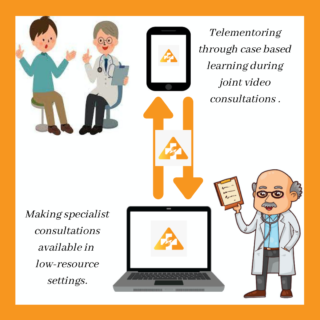
 gap between rural primary doctors and specialists in larger cities. This unique platform allows senior specialists to provide case-based mentorship to primary doctors so that they can treat their patients on a wider scale. The obligatory inclusion of primary doctors in the teleconsultation process significantly enhances the quality of a teleconsultation and maintains the sanctity of the health pyramid. This reduces the chances of miscommunication, misinterpretation, mistreatment, or any possible side effects. By making healthcare more inclusive of technology, India can eradicate the bottlenecks we face in providing quality treatment to our population.



April 4, 2023 HealthcareNews0

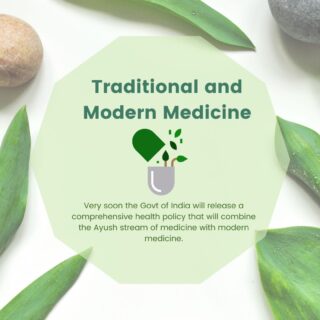
                                                                                            Very soon the Govt of India will release a comprehensive health policy that will combine the Ayush stream of medicine with modern medicine.read the full article here: https://health.economictimes.indiatimes.com/news/policy/health-policy-soon-with-mix-of-ayush-modern-medicine/99227282 https://health.economictimes.indiatimes.com/news/policy/health-policy-soon-with-mix-of-ayush-modern-medicine/99227282


November 17, 2022 HealthcareNews0
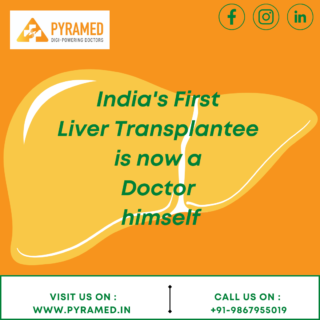
The Magic of Modern Medicine: Dr.Sanjay Shakthy successfully underwent a liver transplant when he was two and a half years old. Read his interesting story to know how a team of dedicated paediatric specialists saved his life.
Even the most complex cases often have solutions and getting the right specialist or super-specialist involved in the care plan at the right time is a must.

#health #healthcare #paediatrics #paediatricgastroenterology #livertransplant #paediatriclivertransplant #teleconsultations #telementoring #pyramedtelemedicine


October 4, 2022 News0

Humanity has always been intrigued by its origins. Where do we come from, and how are we related to those who came before us? What makes us, Homo sapiens, different from other hominins?
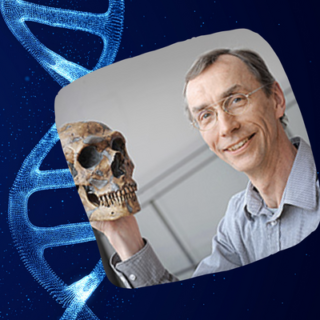
Svante Pääbo, the Paleo Geneticist and Evolutionary Anthropologist is the Director of the Max Planck Institute for Evolutionary Anthropology in Leipzig, Germany. His remarkable discoveries, which include the identification of a previously unknown variety of human who lived alongside modern humans and Neanderthals tens of thousands of years ago, have had a revolutionary impact on our understanding of human evolution. The Nobel Assembly at the Karolinska Institutet has decided to award the 2022 Nobel Prize in Physiology or Medicine to Svante Pääbo “for his discoveries concerning the genomes of extinct hominins and human evolution.”
Through his pioneering research, Svante Pääbo accomplished something seemingly impossible: sequencing the genome of the Neanderthal, an extinct relative of present-day humans. He also made the sensational discovery of a previously unknown hominin, Denisova. Importantly, Pääbo also found that gene transfer had occurred from these now extinct hominins to Homo sapiens following the migration out of Africa around 70,000 years ago. This ancient flow of genes to present-day humans has physiological relevance today, for example affecting how our immune system reacts to infections.
Pääbo’s seminal research gave rise to an entirely new scientific discipline; paleogenomics. By revealing genetic differences that distinguish all living humans from extinct hominins, his discoveries provide the basis for exploring what makes us uniquely human.

Read the press release here : https://www.nobelprize.org/prizes/medicine/2022/press-release/


September 17, 2022 Uncategorized0

what exactly do hematologists do?

Hematologists are internal medicine or paediatricians who have received additional training in disorders of the blood, bone marrow, and lymphatic system. According to one of the best hematologist online in Ghatkopar, Mumbai they are specialists who may work in hospitals, blood banks, or clinics. hematologist who work in laboratories are known as hematopathologists. They have received pathology training, which is a branch of medicine that uses microscopes or tests to examine body tissues and blood.

Some of these conditions are as follows:
• Hemophilia is a disease that causes your blood to clot.
• Sepsis is a blood infection.
• Leukemia is a type of cancer that affects blood cells.
• Lymphoma is a cancer of the lymph nodes and vessels.
• Sickle cell anaemia is a condition that prevents red blood cells from freely flowing through the circulatory system.
• Thalassemia is a condition in which your body produces insufficient hemoglobin.
• Anemia is a condition in which your body does not have enough red blood cells.
• Deep vein thrombosis is a condition that causes blood clots to form within your veins.

learn more about the hematologist,A hematologist is a doctor who specialises in the science of blood, blood-forming organs, and blood diseases.our doctors are the one of the best hematologist online in Ghatkopar. The medical aspect of hematology deals with the treatment of blood disorders and cancers, such as hemophilia, leukaemia, lymphoma, and sickle cell Anaemia.

What Does a Hematologist Do?

A subspecialty of internal medicine is hematology. The physiology, pathology, and clinical laboratory work related to blood, blood-forming organs, and blood illnesses that may affect the formation of blood and its components, such as blood cells, hemoglobin, blood proteins, the mechanism of coagulation, the mechanism of bleeding, etc. are studied.
While analyzing blood films and bone marrow slides under a microscope and interpreting the findings of various hematology tests, certain hematologists may also operate in the hematology laboratory. The patient may require specialised testing, genetic profiling, and occasionally a bone marrow biopsy for the diagnosis of a blood condition. Book an appointment with the best hematologist online in Ghatkopar, Mumbai right now because we offer excellent hematology care.

Knowing when to begin treatment and how intense it should be is one of the most difficult parts of caring for patients with malignant hematologic disorders. Most diseases have diagnostic, staging, and therapeutic guidelines that are frequently adapted to prognostic indices when these are available. Despite the recommendations, these choices should always be based on a thorough analysis of the unique traits and preferences of each patient.Book your appointment now with our doctor who is best hematologist online in Ghatkopar, Mumbai. so as we discussed the function and potential timing of transplantation, and I based my comments on the sparse and quickly evolving body of research around transplant for this ailment. We also discussed alternative remedies, none of which had a very long or successful history in the treatment of this illness.


September 16, 2022 HealthcareNews0
Medicine and Medical Devices listed in the National List of Essential Medicines have to be sold at the price recommended by the National Pharmaceuticals Pricing Authority -NPPA. The new NLEM due to be released shortly aims to ensure that the essential antibiotics are available when required and the appropriate antibiotics get prescribed for the relevant infections.


DIGI-POWERING DOCTORS


Get it on Google Play


DIGI-POWERING DOCTORS


Get it on Google Play


Visit our Refund Policy, Privacy Policy

Copyright by PyraMed 2020. All rights reserved. Powered by DigiBerry